 how-to
How to Sell a House Fast in Fort Myers FL
Table of Contents
- How to Sell a House Fast in Fort Myers: Your Options
- How to Price a House to Sell Quickly
- Prepare a House for Sale Quickly
- How Long Does It Take to Sell a House
- Home Selling Checklist Florida
- Fees, Commissions, and Net Proceeds
- Comparing Buyer Options and Choosing Your Strategy
- Frequently Asked Questions
Last Updated: October 20, 2026
How to Sell a House Fast in Fort Myers: Your Options
To sell a house fast in Fort Myers, you need to understand your buyer options and pricing strategy.
At Savings Specialist Group, we help homeowners across Southwest Florida, Fort Myers, Naples, Cape Coral, and surrounding areas, find the right strategy.
The fastest sales close in 7-14 days; traditional sales average 30-60 days. The difference comes down to your buyer pool and flexibility on price and condition.
Cash Buyers and How Cash Offers Work
Cash buyers purchase homes without bank financing. They make an offer, conduct a brief inspection, and close quickly, no appraisal delays, loan contingencies, or financing falling through.
Here's how it works:
- You list or contact a cash buyer directly
- They inspect the property (usually within 24-48 hours)
- They make an offer within 1-2 business days
- You accept or negotiate
Cash offers are typically 10-20% below market value, but you save on commissions and closing timelines.
The real advantage isn't just speed, it's certainty. Cash deals don't fall apart, and you know the closing date and exact amount you'll receive.
Traditional Real Estate Agents vs. Flat-Fee Listing Services
| Option | Typical Cost | Timeline | Best For |
|---|---|---|---|
| Traditional Agent | 5-6% commission | 30-60 days | Sellers wanting full service |
| Flat-Fee Listing | $300-$500 flat fee | 30-60 days | Sellers comfortable self-managing |
| Cash Buyer | 0% commission | 7-21 days | Sellers prioritizing speed |
Traditional agents bring marketing reach, buyer networks, and negotiation experience, handling inspections, appraisals, and paperwork. The trade-off is cost and time.
Flat-fee services cut upfront costs but require you to schedule showings, negotiate offers, and coordinate inspections yourself.
For speed, neither beats cash buyers. For maximum exposure and buyer competition, traditional listings work better, even if they take longer.
How to Price a House to Sell Quickly
Pricing is the single biggest factor in how fast your house sells. Price too high and you'll sit; price right and you'll get multiple offers quickly.
Competitive Market Analysis for Your Local Area
Start with a competitive market analysis (CMA) of similar homes in your neighborhood sold in the last 30-90 days, same size, condition, and location.
Key factors to compare:
- Square footage and lot size
- Age and condition of the home
- Number of bedrooms and bathrooms
- Recent sales prices (not asking prices)
Homes priced within 5% of market value sell faster; homes priced 10%+ above can sit for months.
National Association of Realtors market data shows that pricing is the top reason homes don't sell. Overpriced homes lose buyer interest quickly.
Pricing for As-Is Sales Without Repairs
Selling a house as-is means the buyer accepts the property in its current condition and takes on repair costs, roof, plumbing, kitchen, and all.
As-is homes sell for less than move-in-ready homes.
Cash buyers expect as-is pricing. Traditional buyers often won't offer on homes with visible problems unless the price reflects the work needed.
If your home needs repairs, get a contractor estimate and subtract it from market value, that's your realistic as-is price.
Prepare a House for Sale Quickly
Preparation doesn't mean expensive renovations. It means making your home appealing and move-in ready for showings. Small touches increase buyer interest and support faster offers.
Decluttering and Staging on a Timeline
Decluttering removes personal items and excess furniture so buyers can envision themselves in the space. It takes 2-7 days depending on home size and clutter level.
Start here:
- Remove 30-50% of furniture from each room
- Pack away personal photos, collections, and memorabilia
- Clear countertops and closets
- Remove items from garage floors and storage areas
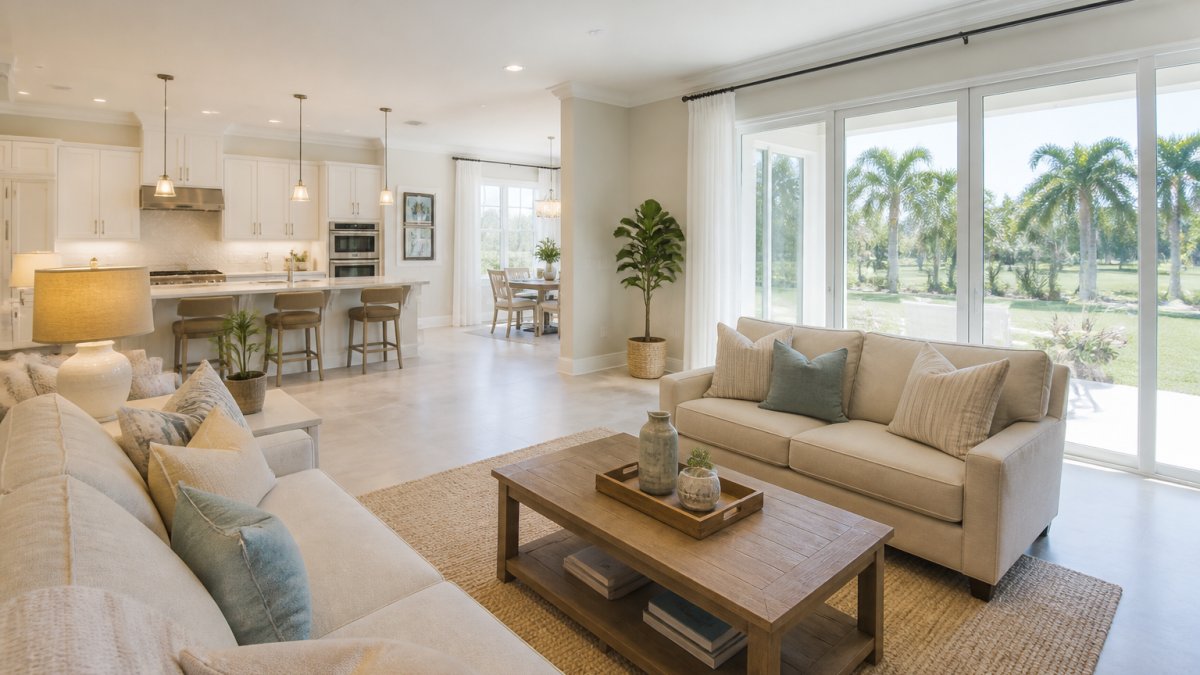
Staging goes further, arranging remaining furniture to highlight space and flow.
You don't need professional staging for a cash sale, cash buyers care about condition and price, not presentation.
Minor Improvements That Increase Appeal Without Delay
Skip major renovations. Focus on quick wins that take a weekend or less:
- Paint walls neutral colors (white, beige, light gray)
- Clean windows inside and out
- Pressure wash the front entrance and driveway
- Trim bushes and mow the lawn
- Replace burnt-out light bulbs
These tasks cost under $500 total and take 2-3 days, making a dramatic difference in first impressions and drawing more showings and faster offers.
Avoid expensive upgrades like new flooring, kitchen remodels, or bathroom renovations. You won't recover the cost on a quick sale, especially if you're selling as-is.
How Long Does It Take to Sell a House
Timeline depends on your buyer type and market conditions. Speed varies significantly between cash sales and traditional listings.
Typical Timeline: Offer to Closing
Cash sales: 7-21 days from offer to closing
- Inspection: 1-3 days
- Appraisal: Not required
- Underwriting: Not applicable
- Closing preparation: 3-5 days
Traditional financed sales: 30-60 days from offer to closing
- Inspection: 7-10 days
- Appraisal: 7-14 days
- Loan underwriting: 10-15 days
- Final walkthrough and closing: 3-5 days
The longest delays in traditional sales come from the buyer's mortgage process. The appraisal, underwriting, and loan approval can take 3-4 weeks alone.
Cash buyers skip all of it, no appraisal, loan approval, or underwriting delays. Closing happens once paperwork is signed and funds transfer.
Speed Factors: Cash Sales vs. Financed Purchases
Cash sales move fast because there's no lender, no appraisal, funds are ready, and there are fewer contingencies. Financed sales take longer because the buyer's lender controls the timeline, appraisals can reveal value gaps, underwriting can uncover issues, and inspection contingencies add time.
Ask about our savings programs and closing cost credits →
If you need to sell in 2-3 weeks, a cash buyer is your only realistic option. With 60+ days, a traditional listing might bring higher offers.
Home Selling Checklist Florida
Selling in Florida requires specific documents and compliance with state real estate laws. Missing paperwork can delay closing or create legal issues.
Pre-Listing Documentation and Inspections
Gather these documents before listing:
- Deed and title documents
- Mortgage statement (if applicable)
- Property survey (if available)
- HOA documents and fees (if applicable)
- Utility bills (last 3 months)
Florida requires sellers to disclose known defects to buyers. This includes foundation issues, water damage, pest infestations, and structural problems. Florida Department of Business and Professional Regulation real estate guidelines outlines disclosure requirements.
Get a pre-sale inspection if your home has any known issues. This shows buyers exactly what they're getting and prevents surprises during their inspection.
Closing Day Requirements and Final Steps
Florida closing requires:
- Title search and title insurance (buyer's lender typically requires this)
- Final walkthrough by buyer (24-48 hours before closing)
- Signed closing documents
- Transfer of keys and possession
- Utility account transfers
The closing attorney or title company handles most paperwork; your role is signing and confirming the final numbers match your agreement.
Request a closing disclosure 3 days before closing. This shows all final costs and your net proceeds. Review it carefully. Ask questions if anything doesn't match your agreement.
Fees, Commissions, and Net Proceeds
Understanding what reduces your net proceeds is critical, many sellers are surprised by the final amount.
What Costs Reduce Your Net Proceeds
Traditional listing costs:
- Realtor commission: 5-6% of sale price
- Closing costs: 1-2% (title insurance, recording fees, attorney fees)
- Property taxes: Prorated to closing date
- HOA transfer fees: $200-$500 (if applicable)
Cash buyer costs:
- Cash buyer fee: Usually built into their offer (10-20% discount)
- Closing costs: 0-1% (often covered by buyer)
- Property taxes: Prorated to closing date
On a $300,000 home sold traditionally:
- Sale price: $300,000
- Realtor commission (6%): -$18,000
- Closing costs (2%): -$6,000
- Net proceeds: $276,000
On the same home sold to a cash buyer for $255,000:
- Sale price: $255,000
- Closing costs (covered by buyer): $0
- Net proceeds: $255,000
How Savings Programs and Closing Cost Credits Work
Some real estate teams offer closing cost credits or savings programs that reduce your out-of-pocket costs at closing.
At Savings Specialist Group, we offer incentive programs and closing cost credits that can save clients upwards of $20,000 on their transaction.
Ask about available credits before listing. Know exactly what's covered and what isn't.
Consumer Financial Protection Bureau guidance on closing costs explains what costs are standard and which ones can be negotiated.
Comparing Buyer Options and Choosing Your Strategy
You have three main paths to sell your house, each with different speed, cost, and effort.
Cash Buyers vs. Traditional Financing: Pros and Cons
Cash buyers:
- Pros: Fast closing (7-21 days), certainty, no financing delays, buy as-is
- Cons: Lower offer price (10-20% below market), less buyer competition
Traditional agents:
- Pros: Higher sale price (market value), multiple buyers, full marketing support
- Cons: Slower (30-60 days), higher costs (5-6% commission), contingencies
Flat-fee listings:
- Pros: Lower upfront cost ($300-$500), market exposure, you control negotiations
- Cons: Slower (30-60 days), requires more work from you, less buyer support
Choose cash if you need to sell in 2-3 weeks and can accept a lower price. Choose traditional if you have 60+ days and want maximum exposure. Choose flat-fee if you're comfortable handling showings yourself and want lower costs.
Seller Protections and Verifying Cash Buyer Credibility
Not all cash buyers are legitimate. Some use aggressive tactics or make lowball offers. Protect yourself:
Before accepting an offer:
- Ask for proof of funds (bank statement or letter from lender)
- Check the company's Better Business Bureau rating
- Ask for references from recent sales
- Verify the company is licensed as a real estate broker or agent
- Get the offer in writing with clear terms
Red flags to watch for:
- Pressure to accept quickly without reviewing documents
- Unwillingness to provide proof of funds
- Vague closing timelines
- Requests for upfront fees or deposits
- No physical business address
Legitimate cash buyers provide proof of funds and clear, written offers. They answer questions and don't pressure you.
Savings Specialist Group operates under Realty ONE Group MVP with a physical office and licensed agents.
The real key is getting accurate pricing, preparing your home for showings, and comparing your net proceeds across options, not just the sale price.
Frequently Asked Questions
How can I sell my house fast in Fort Myers without making repairs?
Selling as-is is possible through cash buyers and some real estate investors who purchase properties in their current condition. Price your home competitively for its condition, and be transparent about any issues in your listing. This approach eliminates repair delays and costs, though your sale price may be lower than a fully renovated home. Cash buyers typically close within 7 to 14 days, making this the fastest path to sale.
What is the typical timeline to sell a house in Fort Myers?
Traditional sales with financing typically take 30 to 45 days from offer to closing. Cash sales are significantly faster, often closing in as few as 7 days. The timeline depends on appraisal requirements, inspection contingencies, and lender processing. Flat-fee listings and MLS exposure can also influence how quickly you receive offers.
How should I price my house to sell quickly?
Research comparable homes recently sold in your area to establish fair market value. Price competitively at or slightly below market to attract multiple offers and shorten time on market. If selling as-is without repairs, reduce your asking price to reflect the property's condition. A local real estate advisor can provide a free home valuation report to guide your pricing strategy.
What documents do I need to sell a house in Florida?
You'll need the property deed, title insurance commitment, homeowners association documents (if applicable), recent property tax statements, and any permits for improvements made to the home. Your real estate agent or title company will provide a complete checklist. Sellers must also disclose any known defects using Florida's Seller's Disclosure form. Having these documents ready speeds up the closing process and prevents delays.