 blog
Is Cape Coral a Good Place to Live? Pros, Cons & Costs
Table of Contents
- Pros and Cons of Living in Cape Coral
- Cape Coral Cost of Living
- Cape Coral Neighborhoods: Finding Your Fit
- Cape Coral Real Estate: What Buyers Should Know
- Weather, Hurricane Risk, and Flood Insurance
- Schools, Safety, and Daily Life for Families
- Jobs, Commutes, and Getting Around
- Is Cape Coral a Good Place to Live? The Verdict
- Frequently Asked Questions
Last Updated: October 19, 2026
Pros and Cons of Living in Cape Coral
Is Cape Coral a good place to live? For many people, yes. This Southwest Florida city pairs canal-front living with a lower cost of living than nearby Naples. At Savings Specialist Group, we help buyers weigh that trade-off every week.
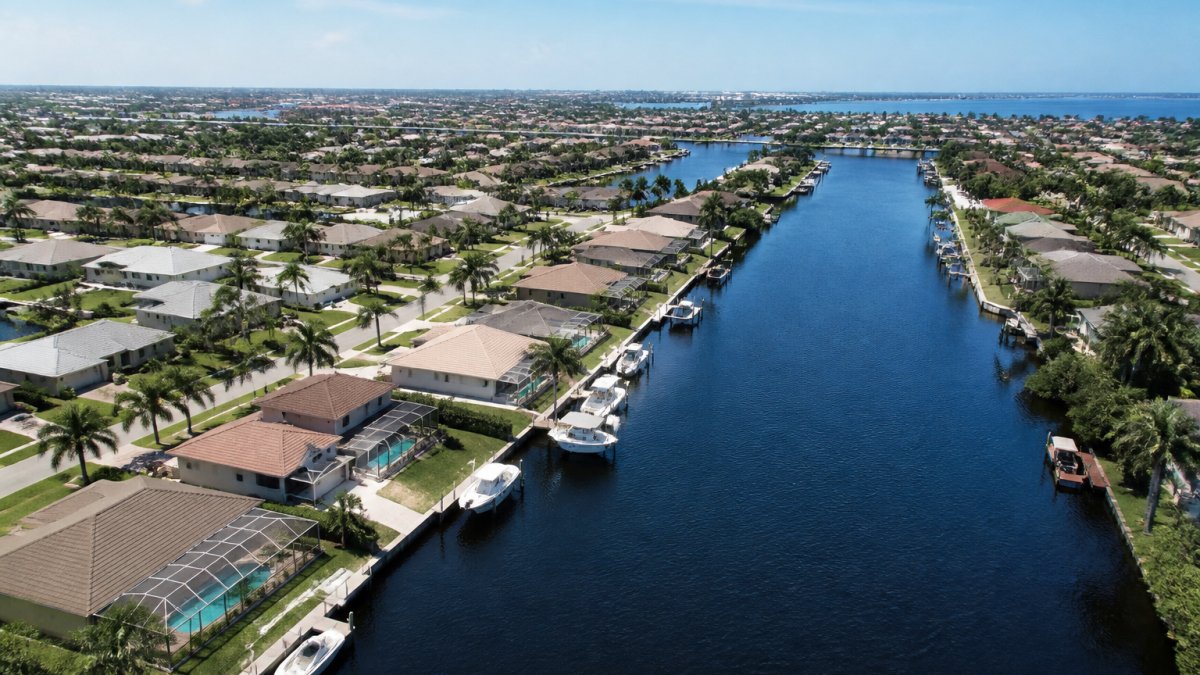
Cape Coral is a city in Lee County built around a vast canal network. That water access shapes daily life here more than anything else.
What Residents Love
- Water everywhere. The city's canal system gives thousands of homes direct or bridge-free boat access.
- Room to spread out. Lots tend to be larger than in older coastal towns.
- Slower pace. Traffic is lighter than in Fort Myers or Naples.
- Value for space. Buyers often get more house for their money here.
- Strong retiree community. Snowbirds and full-time retirees anchor many neighborhoods.
What to Weigh Before You Move
- Hurricane season. Storm risk is real, and insurance reflects it.
- Car dependency. Most errands need a vehicle.
- Growth pains. New construction has outpaced some roads and services.
- Summer heat and humidity. June through September is intense.
- Flood exposure. Canal-front homes carry added insurance considerations.
Cape Coral Cost of Living
Cape Coral's cost of living sits near or slightly below the national average, depending on the category. Housing is the biggest variable. Utilities and insurance run higher than many transplants expect.
Many buyers find that the sticker price looks friendly, then the ownership costs surprise them. That gap is the part most guides skip. We see it constantly with out-of-state clients.
Housing, Taxes, and Insurance
Four costs drive the real number:
- Home price. Waterfront and gulf-access homes cost more than inland homes.
- Property taxes. Florida has no state income tax, but property taxes apply.
- Homeowners insurance. Wind and storm coverage push premiums up.
- Flood insurance. Required in many zones, and priced by risk.
Budget for insurance early. It changes the math more than the mortgage rate does.
Cape Coral Neighborhoods: Finding Your Fit
Cape Coral neighborhoods range from gulf-access waterfront to quiet inland pockets, and the right fit depends on your boat, your budget, your commute, and your tolerance for storm risk.
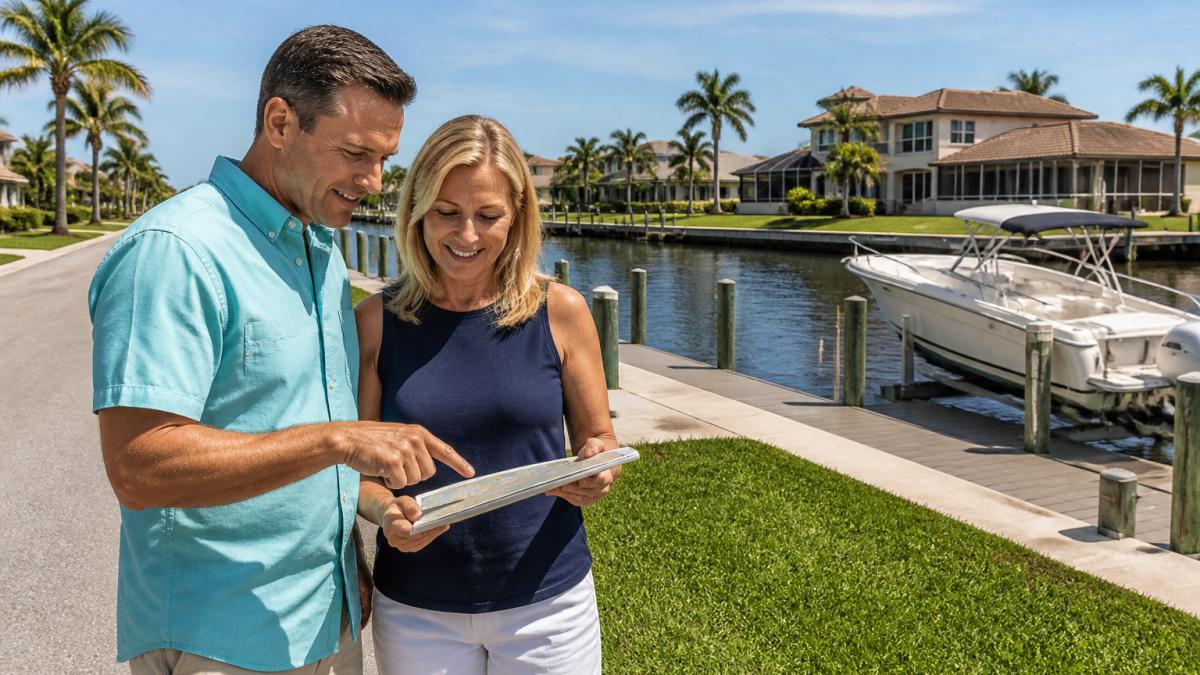
How to Compare Areas Like a Local
Rather than memorize neighborhood names, compare any address on five practical dimensions:
- Canal access type. Gulf-access (sailboat-access) canals, freshwater canals, and off-water lots behave like three different markets. Gulf access usually commands the highest prices and carries bridge-height limits; freshwater canals appeal to anglers and quiet-living buyers but do not reach open water.
- Flood zone and elevation. Two homes a few streets apart can sit in different flood zones with very different insurance quotes. Always pull the flood zone and elevation certificate for the specific parcel, not the subdivision.
- Bridge and commute access. The bridges toward Fort Myers are the main chokepoints. Areas closer to those corridors shorten errands and commutes but often come with smaller lots and more traffic.
- Build era and condition. Newer construction clusters in the northern and eastern sections; resales near the water often show more sun and storm wear. Age affects insurance, maintenance, and roof remaining life.
- Lot and seawall condition. A vacant lot can look cheap until you price the build, the seawall, and the utility connections. A canal home's seawall is a capital item, not a cosmetic one.
Practical Trade-Offs by Area Type
| Area Type | Best For | Trade-Off |
|---|---|---|
| Gulf-access canals | Boaters who want open water | Highest prices, bridge height limits, higher flood exposure |
| Freshwater canals | Anglers and quiet living | No direct gulf access; resale appeal is narrower |
| Inland neighborhoods | Budget-focused buyers | Longer drive to water and beaches |
| Near the bridge corridors | Commuters to Fort Myers | More traffic, smaller lots, older housing stock in places |
| Newer northern/eastern sections | Buyers who want new construction | Fewer mature trees, longer drives to established amenities |
A common mistake is buying for the canal view without checking bridge clearance. If you want gulf access, verify the route, the bridge height, and whether the canal is maintained. Two canals that look identical on a map can have very different boating value and very different insurance costs.
Match the Area to Your Stage of Life
- Retirees and snowbirds often gravitate toward canal-front and established neighborhoods where boating, golf, and a slower pace are the draw. Proximity to healthcare and daily errands matters more than commute time.
- Families tend to weigh school assignment, lot size, and drive time to parks and youth sports. Inland neighborhoods often deliver more house and yard for the budget, at the cost of a longer drive to the water.
- Remote workers can prioritize space, internet availability, and lifestyle over commute, which opens up more of the city, but should still check flood zone and insurance before falling in love with a view.
- Boaters should treat gulf access, bridge clearance, and seawall condition as non-negotiables and budget for them from the start.
The honest summary: there is no single "best" neighborhood here. There is a best fit for your boat, your commute, your budget, and your risk tolerance, and the only way to find it is to compare specific addresses on those five dimensions rather than on curb appeal alone.
Cape Coral Real Estate: What Buyers Should Know
Cape Coral real estate offers a wide mix of new builds, resales, and vacant lots.
New construction is common, especially in the northern and eastern sections. Resale homes near the water often show more wear from storms and sun.
What most buyers miss is the lot itself.
For sellers, a realistic valuation matters. Overpricing a canal home because of the view alone usually backfires.
Weather, Hurricane Risk, and Flood Insurance
Cape Coral has a warm year-round climate, with mild winters and hot, humid summers. That climate draws people here. It also brings hurricane season, which runs from June through November, with the highest statistical risk typically from August through October. Understanding how that risk actually works, and how it varies across the city, is the difference between a pleasant move and an expensive surprise.
Why Risk Varies Block by Block
Flood and storm risk in Cape Coral is not a citywide number. It depends on the specific parcel's elevation, its proximity to canals and the coast, its flood zone, and the construction of the home itself. A home on a gulf-access canal, a home on a freshwater canal, and an inland home on higher ground can face materially different exposure, and materially different insurance quotes, even within the same ZIP code.
Ask about our savings programs and closing cost credits →
Three practical implications follow:
- Flood zone is parcel-specific. Pull the flood zone and elevation certificate for the exact address. Do not rely on the listing, the subdivision, or a neighbor's experience.
- Canal-front is not automatically high-risk, but it often is. Waterfront living is the draw, and it also concentrates exposure. Budget for flood coverage from day one rather than discovering it at closing.
- Wind and flood are separate perils. Standard homeowners policies typically cover wind but exclude flood; flood coverage is generally purchased separately, often through the National Flood Insurance Program or a private carrier. Confirm what each policy covers and what it excludes.
According to the National Flood Insurance Program, flood coverage is separate from standard homeowners insurance, and many buyers learn this too late.
What to Check Before You Buy
- Flood zone and base flood elevation. Know the zone and where the home sits relative to it.
- Elevation certificate. Ask for it; it drives both risk and premium.
- Roof age and construction. Roof remaining life affects insurability and wind premiums.
- Opening protection. Impact windows or shutters can change both safety and insurance math.
- Seawall condition for canal-front homes, a capital item that storms stress.
- Insurance quotes on the specific address, not a generic estimate, before you make an offer.
Evacuation and Storm Resilience in Daily Life
Living here means adopting a storm-season routine, not just buying insurance. Evacuation orders are zone-based, so knowing your zone before a storm forms is basic preparedness (Know Your Zone, Know Your Home).
For buyers, the practical takeaway is to treat storm risk as a budget line and a location variable at once. Two homes with similar price tags can carry very different total costs once wind and flood premiums, roof age, and elevation are factored in.
Schools, Safety, and Daily Life for Families
Families ask two questions first: are the schools good, and is it safe?
Daily life leans outdoor. Boating, fishing, parks, and nearby beaches fill weekends. Shopping and dining cluster along the main corridors, with more options a short drive away in Fort Myers.
For families, the trade-off is simple. You get space and water access, but you drive more. Plan your errands around that.
Jobs, Commutes, and Getting Around
Cape Coral is primarily a residential city, so many residents commute to Fort Myers or work remotely. The local economy leans on healthcare, retail, construction, and services.
Traffic is lighter than in denser metros, but the bridges to Fort Myers can bottleneck at peak times. If you commute, test the drive at rush hour before you buy.
Snowbirds and seasonal residents often find the pace suits them. Full-time workers should map their route first.
Is Cape Coral a Good Place to Live? The Verdict
Cape Coral is a good place to live if you want water access, space, and a slower pace at a lower price than nearby coastal towns. It's a harder fit if you need a short commute, dislike storm risk, or want walkable city living.
At Savings Specialist Group, we help buyers and sellers across Southwest Florida make that decision with real numbers, not guesswork. Our incentive programs and closing cost credits can save clients upwards of $20,000 on a transaction.
Frequently Asked Questions
Is Cape Coral a good place to raise a family?
Many families choose Cape Coral for its lower housing costs than nearby Naples, growing school options, and outdoor lifestyle centered on canals and parks. The trade-offs are summer heat, hurricane season, and traffic during peak snowbird months. Parents should tour specific neighborhoods and check school zoning before committing, because daily life varies block by block across the city's 120-square-mile footprint.
What is the crime rate in Cape Coral?
Cape Coral generally reports lower violent crime rates than many larger Florida metros, though property crime remains a consideration in any growing city. Rates vary by neighborhood, so review recent local crime data for the specific area you are considering rather than relying on a citywide average. Gated communities and canal-front streets often have different patterns than busy commercial corridors.
How does Cape Coral compare with nearby Southwest Florida communities?
Cape Coral typically offers more home for the money than Naples, with a younger and more family-oriented profile than some retiree-heavy enclaves. Fort Myers provides more established commercial infrastructure and jobs, while Bonita Springs and Estero sit closer to the beaches. Buyers who want boating access and lower entry prices often gravitate to Cape Coral, while those prioritizing walkable downtowns may prefer alternatives.
What should you know before buying a home in Cape Coral?
Check flood zone designation, insurance quotes, roof age, and whether the property sits on a freshwater or saltwater canal, since each affects cost and usability. Confirm the home's hurricane history and any permitted additions. Closing costs and insurance can add meaningfully to the purchase price, so ask about incentive programs and closing cost credits that may reduce your out-of-pocket expenses.
The challenge with Cape Coral is simple: the right home depends on details most buyers don't check until it's too late. Savings Specialist Group can help you get those details right, from flood zones to canal access to closing costs. Ask about our savings programs and closing cost credits, and let our local team guide your move from first search to final signature.