 how-to
New vs Resale Homes in Lehigh Acres: How to Choose
Table of Contents
- Start With How You Want to Live, Not the Listing
- The Cost to Build a House in Lehigh Acres vs. Buying Resale
- New Home Construction Timeline: What to Expect Month by Month
- Your Resale Home Inspection Checklist
- What New Construction Home Warranties Actually Cover
- Lehigh Acres Lot, Zoning, and Insurance Considerations
- Side-by-Side: Pros and Cons of New vs Resale Homes
- Frequently Asked Questions
Last Updated: October 18, 2026
Start With How You Want to Live, Not the Listing
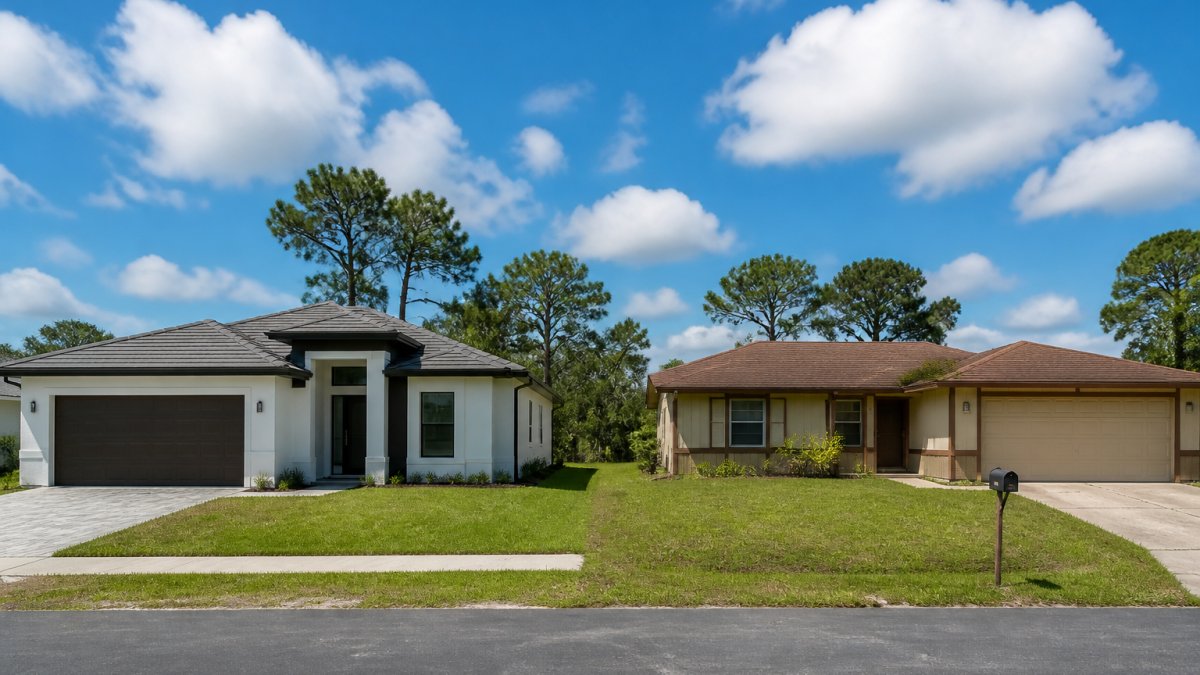
Choosing between new and resale homes in Lehigh Acres comes down to one question: do you want to wait for a house to be built, or do you want a yard with mature trees on day one? That single trade-off drives almost every other decision, from budget to timeline to insurance.
We walk Southwest Florida buyers through this choice often. Here is the short answer before the details:
- Buy new if you want a clean slate, a builder warranty, and time to plan your move.
- Buy resale if you need to move soon, want established landscaping, or prefer a home you can inspect before you commit.
Below, we break down cost, timeline, inspections, warranties, and local rules so you can match the choice to your actual life.
The Cost to Build a House in Lehigh Acres vs. Buying Resale
The cost to build a house in Lehigh Acres is not the base price on a builder's flyer. New construction quotes usually cover the house and lot, but the final number depends on lot premiums, structural options, design center upgrades, impact windows, and site work such as clearing, fill dirt, and driveway length. Resale pricing works differently: the seller's asking price reflects the home's age, condition, and updates, and what you see is closer to what you pay, though repairs and updates can add up after closing.
Compare four numbers, not one:
- Sticker price, the builder's base plan price plus lot premium, or the seller's list price
- Hard-cost add-ons, design center upgrades, impact glazing, fencing, landscaping, blinds, gutters, and appliances the builder excludes, versus repair credits and immediate fixes on a resale
- Closing and financing costs, builder lenders often offer rate buydowns and closing-cost credits that a resale seller may or may not match; compare loan estimates line by line, not just the interest rate
- Carrying cost, property taxes, homeowners insurance, HOA dues, and (for new builds) the cost of paying rent while the house is under construction
A common pattern in new-home contracts is that the base price excludes items most resale homes already have: refrigerator, window treatments, gutters, sod and irrigation, and sometimes even a mailbox. Add those to the new-home column before you conclude the build looks cheaper. On the resale side, budget for a pre-offer inspection, a wind mitigation inspection, and a reserve for the first-year repairs the inspection report flags.
Pricing varies widely by lot, floor plan, and neighborhood, so ask each builder for a written quote that itemizes lot premium, structural options, and design center allowances, and ask us for a resale net-cost estimate that nets repairs and credits against the list price before you compare.
What the Build Price Leaves Out
Builder base prices typically exclude landscaping, fencing, blinds, gutters, and sometimes even a refrigerator. Those items are already in most resale homes. Add them to your new-home column before you decide the build looks cheaper. Also ask whether the quoted price assumes a standard lot or carries a premium for a corner, cul-de-sac, or water-adjacent lot, and whether impact windows are standard or an upgrade line item.
New Home Construction Timeline: What to Expect Month by Month
The new home construction timeline in Lehigh Acres usually runs several months from contract to keys, and weather can stretch it. Hurricane season and summer rain slow concrete pours and roofing. Builders also face permitting queues and material lead times.
A typical sequence looks like this:
- Contract and design, pick your lot, floor plan, and finishes
- Permitting, the builder submits plans to the county and waits for approval
- Site work and foundation, clearing, grading, and pouring the slab
- Framing and roof, walls go up and the roof is dried in
- Mechanical rough-in, electrical, plumbing, and HVAC lines
- Drywall and finishes, cabinets, flooring, paint, fixtures
- Final inspections and walkthrough, punch list and closing
Ask your builder for a written schedule with milestones. Then add a buffer for weather and permitting delays.
Your Resale Home Inspection Checklist
A resale home inspection checklist should cover the systems most likely to fail in a Florida home: roof, HVAC, plumbing, electrical, and water intrusion. Hire a licensed inspector and attend the inspection if you can. Walk the property with them and ask questions as they go.
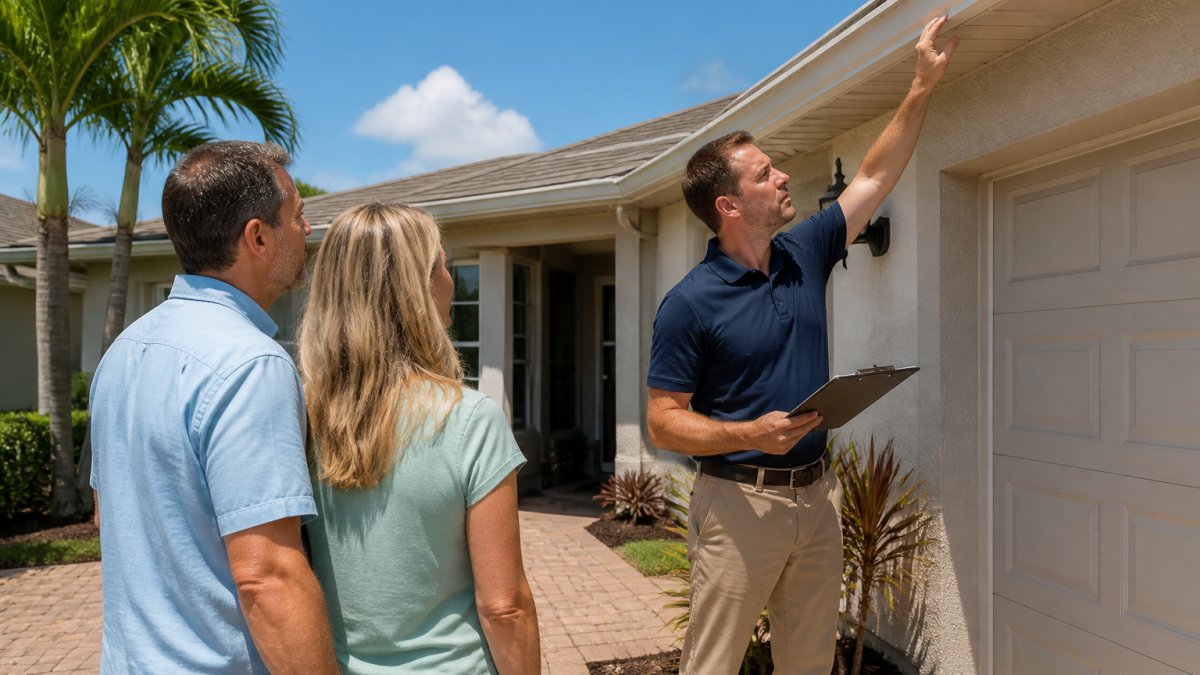
Bring this checklist to review after the report arrives:
- Roof age, shingle condition, and any prior repairs
- HVAC age, service records, and cooling performance
- Signs of water intrusion at ceilings, windows, and lanai doors
- Plumbing type and water pressure at multiple fixtures
- Electrical panel condition and any unpermitted work
- Foundation cracks and driveway settling
- Pool or spa equipment condition, if present
- Attic insulation and ventilation
- HOA rules on rentals, parking, and exterior changes
- Permit history through the county
Roof, HVAC, and Water Intrusion
These three items drive the biggest repair bills in resale homes. A roof near the end of its life can mean a full replacement soon after closing. An aging HVAC system may need replacement within a few years. Water stains hint at leaks that may be hidden behind walls.
Ask the seller for service records and any warranty paperwork. If the roof or HVAC is near replacement age, negotiate a credit or a price adjustment. We can help you read the inspection report and decide what to ask for.
What New Construction Home Warranties Actually Cover
New construction home warranties typically cover workmanship and specific systems for set periods, but the details vary by builder. Most builders offer a one-year workmanship warranty, a multi-year structural warranty, and manufacturer warranties on appliances and equipment.
Ask about our savings programs and closing cost credits →
What they usually do not cover:
- Damage from homeowner neglect or improper maintenance
- Cosmetic issues the builder lists as normal
- Landscaping and irrigation after closing
- Items you added after the walkthrough
Read the warranty document before you sign the contract, not after. Ask what triggers a claim, how you submit one, and how long repairs take.
Lehigh Acres Lot, Zoning, and Insurance Considerations
Lehigh Acres lots vary in size, drainage, and zoning, and those details affect both new builds and resale purchases. Some lots sit in flood zones or need fill dirt before construction. Others have easements or deed restrictions that limit what you can build. Insurance matters too: roof age, construction type, and wind mitigation features affect premiums, and a new home built to current codes often rates better than an older resale with a shingle roof near the end of its life.
Run this verification sequence before you make an offer, whether the home is new or resale:
- Confirm the flood zone through the county property appraiser and FEMA flood map service, and ask your insurer whether flood coverage is required or recommended.
- Pull the permit history for the address through the county building department. Unpermitted additions, enclosures, or pool cages are a common resale issue and can complicate insurance and resale later.
- Request a wind mitigation inspection on any resale home. The report documents roof shape, roof-to-wall attachments, opening protection, and secondary water resistance, and insurers use those features to set windstorm premiums.
- Check zoning and setbacks with the county before you plan an addition, a fence, or a pool, and confirm any deed restrictions or HOA architectural rules that run with the lot.
- Ask about drainage and fill on vacant or low lots. A lot that needs fill dirt before construction adds a line item the builder's base price may not show.
For new construction, ask the builder which code cycle the home is permitted under and whether impact-rated windows and doors are standard or an upgrade. For resale, compare the roof age and opening protection against what your insurer requires for a preferred policy tier. A little homework now prevents expensive surprises later.
Side-by-Side: Pros and Cons of New vs Resale Homes
Here is how new vs resale homes compare across the factors that matter most.
| Factor | New Construction | Resale Home |
|---|---|---|
| Move-in timing | Months after contract | Weeks after closing |
| Upfront cost | Base price plus upgrades | List price plus repairs |
| Condition | New systems, current codes | Varies; inspection required |
| Warranty | Builder warranty | Limited or none |
| Landscaping | Usually bare | Often mature |
| Negotiation | Limited on base price | More room to negotiate |
| Insurance | Often lower with new roof | Depends on roof and age |
Pros of new construction: modern codes, new systems, warranty coverage, and a home designed to your taste.
Cons of new construction: longer wait, upgrade costs, and less room to negotiate.
Pros of resale: faster move-in, established yards, and visible condition before you buy.
Cons of resale: repair risk, older systems, and possible updates.
Frequently Asked Questions
Is it cheaper to buy a resale home or build a new home in Lehigh Acres?
It depends on the lot and the finish level. Building lets you control upgrades, but the cost to build a house in Lehigh Acres includes the lot, impact fees, utility connections, landscaping, and any builder add-ons that a base price leaves out. Resale bundles those into one number and often includes appliances and window treatments. Compare total cost, not sticker price: ask for a line-item build estimate and a resale repair estimate before deciding.
How long does new home construction take in Lehigh Acres?
A typical new home construction timeline runs six to twelve months from permit to closing, with custom builds on private lots stretching longer. Weather, permitting backlogs, and material lead times all move the date. Resale closes in roughly 30 to 45 days once you are under contract. If your move-in date is fixed, resale gives you more control, while new construction gives you more say over finishes.
What should I compare when choosing between a new and resale home?
Compare four things: total cost including fees and upgrades, the timeline you can live with, what is covered after closing, and the condition of the home. New homes come with builder warranties but may need landscaping and blinds. Resale homes may need a roof or HVAC soon, which a resale home inspection checklist will surface. Weigh repair risk against warranty coverage before you commit.
What warranties come with a newly built home?
New construction home warranties usually include a one-year workmanship period and a multi-year structural period, though exact terms vary by builder. Ask for the written warranty document before signing, confirm what transfers if you sell, and check whether the builder requires arbitration. Read the exclusions carefully, since cosmetic issues and landscaping are often excluded.
The choice between new and resale homes in Lehigh Acres is really a choice about timing and risk, and our team at Savings Specialist Group helps you weigh both. We offer 24/7 support from start to finish, a property search with featured, active, and sold listings, and savings programs and closing cost credits that can save buyers upwards of $20,000. Ask about our savings programs and closing cost credits, and we will help you compare new and resale options side by side.