 ultimate-guide
Southwest Florida Real Estate: 2026 Guide
Table of Contents
- Southwest Florida Real Estate: What Buyers and Sellers Need to Know in 2026
- Southwest Florida Real Estate Market Trends in 2026
- Southwest Florida Home Values: What Your Property Is Worth Now
- Southwest Florida Homes for Sale: How to Search Smarter
- Best Places to Live in Southwest Florida: City-by-City Guide
- Insurance, Flood Zones, and Hurricane Risk: The Costs Nobody Mentions
- How to Buy or Sell Southwest Florida Real Estate: A Practical Process
- Frequently Asked Questions
Last Updated: October 16, 2026
Southwest Florida Real Estate: What Buyers and Sellers Need to Know in 2026
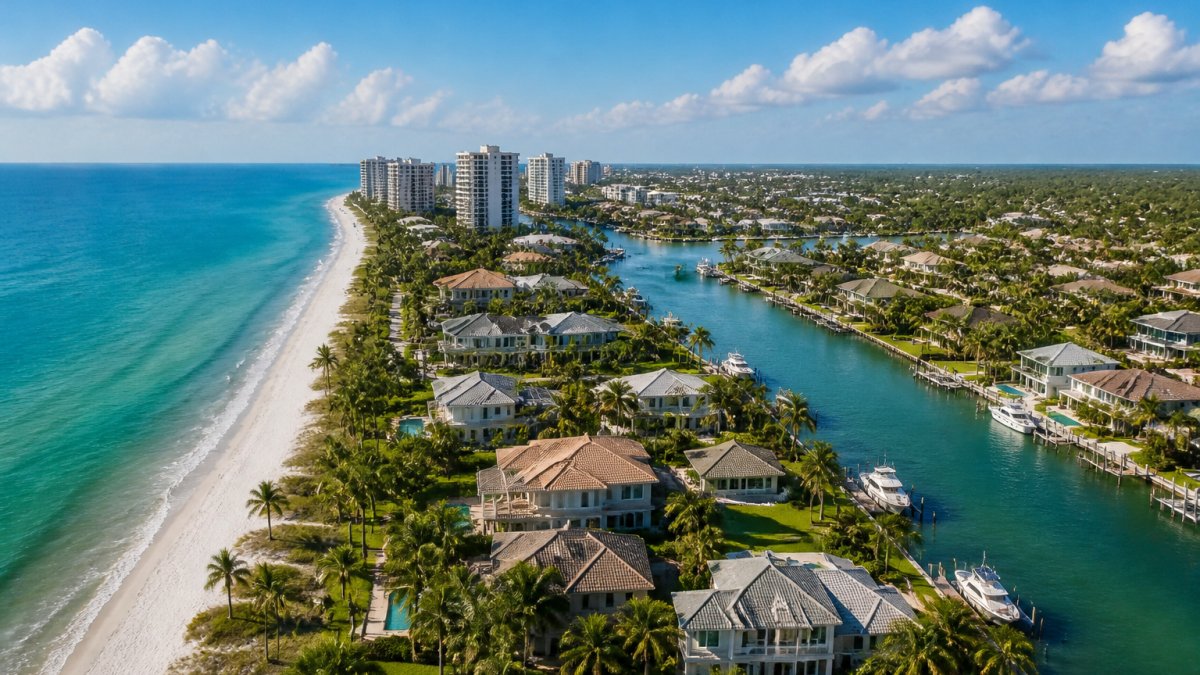
Southwest Florida real estate is the coastal and inland property market spanning Collier, Lee, Charlotte and Sarasota counties, from Marco Island north through Fort Myers and Cape Coral to Sarasota.
At Savings Specialist Group, we work this market daily, and one pattern holds: buyers who understand flood insurance, hurricane risk and total ownership cost before they make an offer negotiate better and stress less after closing.
That is the part most quick-search portals skip. Below, we break down market trends, home values, search tactics, a city-by-city comparison, the insurance costs nobody mentions, and a practical process for buying or selling.
Southwest Florida Real Estate Market Trends in 2026
Inventory has loosened compared with the frenzied pandemic-era years, and that shift favors prepared buyers. More homes for sale means more time to inspect, negotiate and compare, which is a meaningful change from the bidding wars many relocating buyers still expect.
Watch these signals instead of headlines:
- Days on market by city and price band, not the regional average
- Sale-to-list price ratio, which shows how much sellers are conceding
- New listings per week, your best read on whether competition is rising
- Price cuts as a share of active listings, an early softening indicator
A common mistake is treating the region as one market. Cape Coral, Naples and Sarasota move at different speeds and price points, so a single "Southwest Florida" statistic rarely describes the home you actually want.
Southwest Florida Home Values: What Your Property Is Worth Now
A home's value in this region is set by recent comparable sales, not by the figure on a portal estimate.
For sellers, accuracy matters because an overpriced listing sits, then sells below where it should have started. For buyers, it matters because you need a realistic ceiling before you fall in love with a waterfront view.
What most guides miss is how much condition and location adjust value here.
If you want a grounded number rather than a guess, request a free home valuation report built on actual sold listings in your neighborhood.
Southwest Florida Homes for Sale: How to Search Smarter
Searching well comes down to filtering on the things that actually change your monthly cost and daily life. Start with flood zone, then insurance eligibility, then HOA rules, and only then the cosmetic preferences.
Use these filters in any property search:
- Flood zone (AE and VE zones carry different insurance implications than X zones)
- Roof age and construction type because insurability depends on both
- HOA and CDD fees which can add hundreds of dollars monthly
- Sold listings, not just active ones, to see what buyers actually paid
- Listing photos and sales history to spot renovations, additions and price cuts
Best Places to Live in Southwest Florida: City-by-City Guide
Most ranking pages list place names without explaining how the communities actually differ. The guide below compares the main cities across Collier, Lee, Charlotte and Sarasota counties on the factors that change daily life: housing stock, price band, commute, schools, services, beaches and lifestyle.
| City or Area | County | Typical Housing Stock | Price Band | Best For | Watch Out For |
|---|---|---|---|---|---|
| Naples | Collier | Condos, gated estates, golf-community homes | Luxury tier | Dining, walkable downtown, upscale retail | Highest price points and insurance costs |
| Marco Island | Collier | Beachfront condos, single-family canal homes | Upper tier | Beach and boating lifestyle | Seasonal crowds, limited inventory |
| Fort Myers | Lee | Historic bungalows, downtown condos, suburban tracts | Mid-range | Downtown living, jobs, riverfront | Flood zones near the river |
| Cape Coral | Lee | Canal-front single-family, new construction | Mid-range | Canal-front homes, value per square foot | Gulf-access canal premiums |
| Bonita Springs | Lee | Beach condos, gated communities | Mid to upper | Beach access with quieter streets | HOA fees in gated communities |
| Estero | Lee | Master-planned new construction | Mid to upper | Newer construction, amenities | CDD fees on some new builds |
| Lehigh Acres | Lee | Entry-level single-family, larger lots | Entry level | Entry-level budgets, larger lots | Longer commutes, insurance scrutiny |
| Punta Gorda and Port Charlotte | Charlotte | Waterfront single-family, small condos | Value tier | Waterfront value, smaller-town pace | Hurricane exposure on the harbor |
| Sarasota | Sarasota | Urban condos, historic districts, beach communities | Mid to luxury | Arts, culture, urban amenities | Competitive downtown inventory |
Commute and services. Fort Myers and Sarasota have the most concentrated job centers and walkable downtowns. Cape Coral and Lehigh Acres are car-dependent, with longer drives to employment and services.
Schools. Each county runs its own public school district, Collier, Lee, Charlotte and Sarasota, so school zoning follows the county line, not the city name.
Beaches and lifestyle. Marco Island, Bonita Springs and Sarasota offer the most direct beach access. Cape Coral and Fort Myers trade beach proximity for canal and river access.
A common pattern. Retirees and seasonal residents often start in a rental in one city, then buy once they know which neighborhood fits their routine.
Ask about our savings programs and closing cost credits →
Insurance, Flood Zones, and Hurricane Risk: The Costs Nobody Mentions
Insurance is the single line item that most surprises out-of-state buyers, and it is the one that can quietly break a budget.
How the coverage layers work. A standard homeowners policy typically covers wind and structure damage but excludes flood. Flood coverage is written separately, most commonly through the National Flood Insurance Program (NFIP) or a private carrier.
What drives the premium. Four factors move the number more than anything else:
- FEMA flood zone designation and base flood elevation, an AE or VE zone carries different pricing than an X zone, and elevation above base flood level lowers the flood premium.
- Wind mitigation features, roof shape, roof-to-wall straps, and impact-rated openings can reduce the wind portion of the premium. A wind mitigation inspection documents these features for the carrier.
- Roof age and construction type, older roofs and certain construction methods can be difficult or costly to insure, and some carriers decline them outright.
- Distance to water and storm-surge evacuation zone, proximity to the coast and surge exposure affect both insurability and pricing.
Total cost of ownership, not just the asking price. The real monthly number combines several lines that a listing price hides:
- Property taxes, assessed by the county, based on taxable value and the applicable millage rate. Florida's homestead exemption reduces the taxable value for primary residences, and the Save Our Homes cap limits annual assessment increases on homesteaded property (Florida Dept. of Revenue - Property Tax - Taxpayers). Verify the current assessment and any non-homestead status before you assume the seller's tax bill will be yours.
- Homeowners and flood insurance, priced separately, as above.
- HOA or condo fees, can add hundreds of dollars monthly and may include or exclude exterior insurance, roof reserves, and amenities. Read the budget and reserve study, not just the fee.
- CDD fees, common in some master-planned communities and typically baked into the tax bill rather than billed separately.
- Maintenance and hurricane prep, pool service, lawn care, and seasonal storm preparation add up, and impact windows or shutters reduce both risk and recurring prep cost.
What to check before you make an offer:
- The property's FEMA flood zone designation and its base flood elevation
- Wind mitigation features such as roof shape, straps and impact-rated openings
- Roof age, because older roofs can be difficult or costly to insure
- Distance to water and whether the home sits in a storm-surge evacuation zone
- The seller's current insurance premium, claims history, and any open claims
- The HOA or condo budget, reserve study, and whether exterior insurance is included
A newer roof, impact windows and elevation above base flood level can lower premiums and improve insurability. Those same features strengthen your negotiating position as a buyer, since sellers know insurability affects how many buyers can even get to closing.
How to Buy or Sell Southwest Florida Real Estate: A Practical Process
The process works best when you sequence the financial checks before the emotional ones. Buyers who line up insurance and financing first avoid the painful scenario of falling for a home they cannot insure or afford to carry.
Buying, step by step:
- Get pre-approved with a lender who writes loans in this region
- Confirm your total monthly budget including taxes, insurance and HOA
- Search active and sold listings with flood zone and roof age filters
- Tour in person or, if you are relocating, use a video walkthrough
- Make an offer, then use the inspection period to verify insurance and condition
- Close, and set up homestead or seasonal-occupancy paperwork as applicable
Out-of-state buyers ask us constantly whether they can purchase without being here. The answer is yes, with the right remote process and a representative who walks the property on your behalf.
Selling, step by step:
- Get an accurate valuation based on sold comparables
- Address insurability items like roof condition and mitigation documentation
- Prepare listing photos and disclosures that preempt buyer questions
- Price to the market, then review showing feedback weekly
- Negotiate with repair credits and closing timelines in view
Savings Specialist Group supports this entire process with 24/7 availability, a property search that includes featured, active and sold listings, and incentive programs and closing cost credits that can save clients upwards of $20,000 on a transaction.
Buying or selling in this region comes down to one thing: knowing the real cost and the real value before you commit. Savings Specialist Group combines a free home valuation report, a full property search with sold data, and closing cost credits that can save upwards of $20,000, all backed by support available 24/7 from start to finish.
Frequently Asked Questions
What should buyers consider when choosing a Southwest Florida community?
Start with your daily routine. Commute distance, school zones, flood zone designation, and HOA fees vary widely between cities like Naples, Fort Myers, Cape Coral, and Bonita Springs. Check whether the neighborhood sits in a FEMA flood zone, what wind mitigation features the home has, and how close you are to the amenities you actually use. A local real estate professional can pull sales history and listing inventory for each area so you compare on facts, not curb appeal alone.
How can I estimate the value of my Southwest Florida home?
A free home valuation report from a licensed Realtor is the most reliable starting point. It factors in recent sales history, bedroom count, lot size, waterfront access, and current listing inventory in your specific neighborhood. Online estimates can be off by tens of thousands of dollars because they miss upgrades, views, and flood zone status. Ask for a report that includes comparable sold listings within the last six months, and review it with an agent before setting your asking price.
What costs should I plan for when buying a home in Southwest Florida?
Beyond the purchase price, budget for closing costs (typically 2 to 5 percent of the loan amount), a home inspection, a four-point insurance inspection, flood insurance if you are in a designated zone, and windstorm coverage. Property taxes in Lee and Collier County vary by assessed value and homestead exemptions. Ask your lender for a Loan Estimate early so there are no surprises, and ask your agent about closing cost credits or incentive programs that can reduce your out-of-pocket total.
What are the projected trends in the Southwest Florida real estate market for 2026?
Inventory has been climbing from the lows of 2021 and 2022, giving buyers more choices and more negotiating room than they had during the peak. Cash buyers remain a significant share of transactions, particularly in luxury and waterfront segments. Insurance costs are still a major factor in total cost of ownership. For the most current data on your target neighborhood, ask a local agent for a market snapshot that includes months of supply, average days on market, and sale-to-list price ratios.